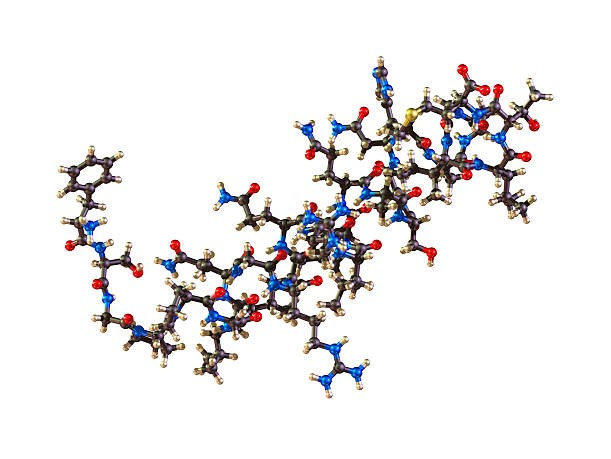
Studying a single peptide across two interconnected signaling pathways provides a broader view of how receptor activity works. Tirzepatide Peptide allows scientists to observe how the molecule behaves across two related targets, enabling side-by-side comparison under the same research conditions. Differences in binding, activation, signal strength, and subsequent cellular responses reveal where the two signaling […]

Author: admin
How to Match Research Grade Peptides to Analytical and Cell-Based Study Needs
A peptide can perform cleanly during a short analytical check and become far less predictable after several hours in a cell-based system. Media composition, exposure time, concentration, and sample handling can all influence what remains measurable. These effects often remain hidden until a study begins to produce signals that are difficult to explain. Choosing Research […]
How Peptide Sequence Length and Modifications Affect Laboratory Handling
The first clue often appears during a routine dilution. A researcher adds the recommended solvent, mixes the vial, and notices a faint film still clinging to the wall while another sample prepared the same way clears completely. The difference may seem minor, but it could surface again during transfer, storage, or analysis. Molecular structure often […]
Why Ipamorelin Peptide Selectivity Matters in Growth Hormone Signaling Studies
What makes one peptide more useful than another in growth hormone research? The answer is not always obvious from a basic description of how it works. With Ipamorelin Peptide, selectivity is an important factor in understanding why researchers may examine it more closely in signaling studies. However, the value of that selectivity only becomes clear […]
What Researchers Should Know About GHK-Cu Complexation and Analytical Stability
What makes a peptide-metal complex reliable enough for confident analytical interpretation? That question becomes especially important when researchers are working with GHK-Cu complexation, where stability can depend on more than the compound itself. A result may appear straightforward at first, yet the underlying behavior of the complex can introduce challenges that are easy to overlook. […]
How HPLC and Mass Spectrometry Work Together in Peptide Characterization
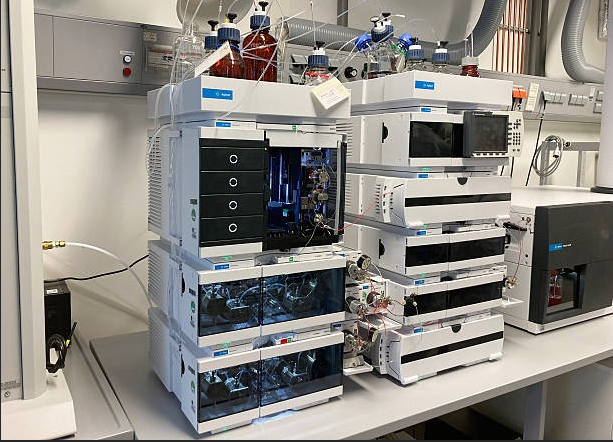
A peptide sample may look straightforward, but proving exactly what is present can be far more complex. Small differences can matter, and relying on a single analytical result may leave important questions unanswered. That is why peptide characterization requires a deeper level of verification, especially when purity, identity, and consistency are critical. However, the real […]
How to Compare Peptide Blends and Single Peptide Compounds for Lab Studies
Peptide blends can look convenient at first, while single peptide compounds may seem easier to study with precision. But in lab research, the better choice depends on more than the product name. Researchers need to think about study goals, ingredient transparency, batch documentation, purity data, concentration, storage needs, and how each compound may affect interpretation. […]
What Batch-Specific Testing Means for Quality Peptides in Lab Research
Before a peptide enters your workflow, there’s one question worth asking: can you trace its test results back to the exact batch you received? That answer can influence how confidently you interpret everything that follows. When you work with quality peptides, batch-specific testing connects laboratory evidence to the material sitting on your bench. It helps […]
How to Read a Peptide COA Before Choosing Research Grade Peptides
A polished product page can make almost any research peptide look impressive, but does the laboratory paperwork support the pitch? Before you choose a vial, take a minute to examine the evidence behind it. A peptide COA should tell you what was tested, which batch was analyzed, and whether the results support the product label. […]