peptide compounds

Peptide Compounds v. Peptide Blends: Key Differences in Research Applications and Documentation

Imagine planning an experiment around a specific peptide, then discovering that two similarly named products contain different things. One is a single compound; the other combines multiple peptides in a blend. That distinction affects how a researcher interprets the material and the documentation needed to describe it accurately. Peptide compounds and peptide blends may be […]

admin

By admin

research grade peptides

Research Grade Peptides: Understanding Quality Standards, COAs, and Batch Testing

Two suppliers can describe their products as research grade, even when the information they provide looks nothing alike. One listing offers a brief purity claim; another includes a certificate, testing details, and a batch reference. The label alone does not explain the difference. For laboratories regularly sourcing research-grade peptides, the real challenge is separating useful […]

admin

By admin

peptide purity

How to Evaluate Peptide Purity and Documentation Before Purchasing Research Peptides

A product listing may show an impressive purity percentage, yet leave a researcher wondering what that number actually proves. Before purchasing a research peptide, it helps to know whether the supporting records describe the material being offered or simply make a broad quality claim. Peptide purity is one part of that assessment, but it cannot […]

admin

By admin

Ipamorelin Peptide

Why Ipamorelin Peptide Selectivity Matters in Growth Hormone Signaling Studies

What makes one peptide more useful than another in growth hormone research? The answer is not always obvious from a basic description of how it works. With Ipamorelin Peptide, selectivity is an important factor in understanding why researchers may examine it more closely in signaling studies. However, the value of that selectivity only becomes clear […]

admin

By admin

GHK-Cu Complexation

What Researchers Should Know About GHK-Cu Complexation and Analytical Stability

What makes a peptide-metal complex reliable enough for confident analytical interpretation? That question becomes especially important when researchers are working with GHK-Cu complexation, where stability can depend on more than the compound itself. A result may appear straightforward at first, yet the underlying behavior of the complex can introduce challenges that are easy to overlook. […]

admin

By admin

Peptide Characterization

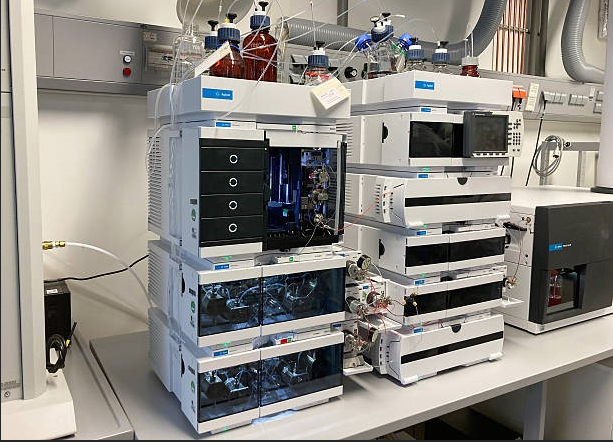
How HPLC and Mass Spectrometry Work Together in Peptide Characterization

A peptide sample may look straightforward, but proving exactly what is present can be far more complex. Small differences can matter, and relying on a single analytical result may leave important questions unanswered. That is why peptide characterization requires a deeper level of verification, especially when purity, identity, and consistency are critical. However, the real […]

admin

By admin

How to Compare Peptide Blends and Single Peptide Compounds for Lab Studies

How to Compare Peptide Blends and Single Peptide Compounds for Lab Studies

Peptide blends can look convenient at first, while single peptide compounds may seem easier to study with precision. But in lab research, the better choice depends on more than the product name. Researchers need to think about study goals, ingredient transparency, batch documentation, purity data, concentration, storage needs, and how each compound may affect interpretation. […]

admin

By admin

What Batch-Specific Testing Means for Quality Peptides in Lab Research

What Batch-Specific Testing Means for Quality Peptides in Lab Research

Before a peptide enters your workflow, there’s one question worth asking: can you trace its test results back to the exact batch you received? That answer can influence how confidently you interpret everything that follows. When you work with quality peptides, batch-specific testing connects laboratory evidence to the material sitting on your bench. It helps […]

admin

By admin

Please enter a strong password (minimum 8 characters with uppercase, lowercase, number and special character).